

How Does Sliding-Scale Work?
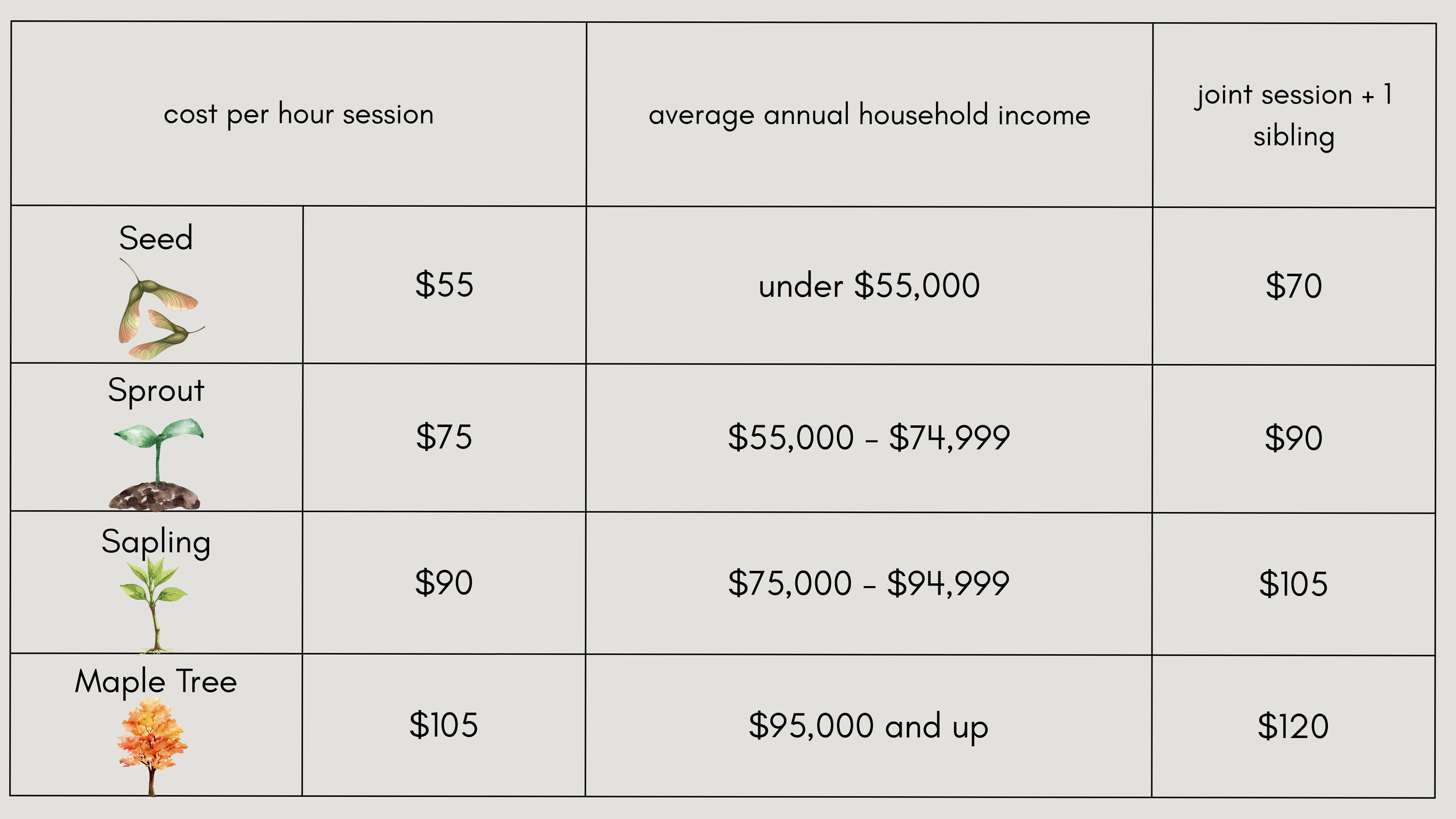
The Facts
Families’ financial situations are shaped by far more than individual effort or choice. In the United States, wealth and access to opportunity have been heavily influenced and controlled by historical systems such as slavery, segregation, redlining, unequal school funding, and ongoing disparities in housing, healthcare, and education. These systems have created long-term gaps in generational wealth and access to resources, particularly for many minority communities.
At the same time, families also carry different responsibilities, stressors, and life circumstances that affect what they are able to invest in their children’s education at any given time.


The Solution
Thinking about tuition through this lens is why a sliding scale feels correct—it is a small way to acknowledge the current disparities in our country and that access to high-quality Montessori learning should not be limited to families with higher incomes or more generational advantage that is out of our control.
My goal is not to create barriers to Montessori education but to help remove them. The sliding scale model allows families to contribute at a level that is sustainable for them while ensuring more children have access to high-quality, individualized Montessori learning experiences.
The Expectation
All students receive the same high-quality instruction, personalized assessments, Montessori materials, lesson planning, progress monitoring, and family communication. Tuition tiers simply reflect my commitment to making Montessori education available to a broader range of families and honoring the diverse realities within our community.
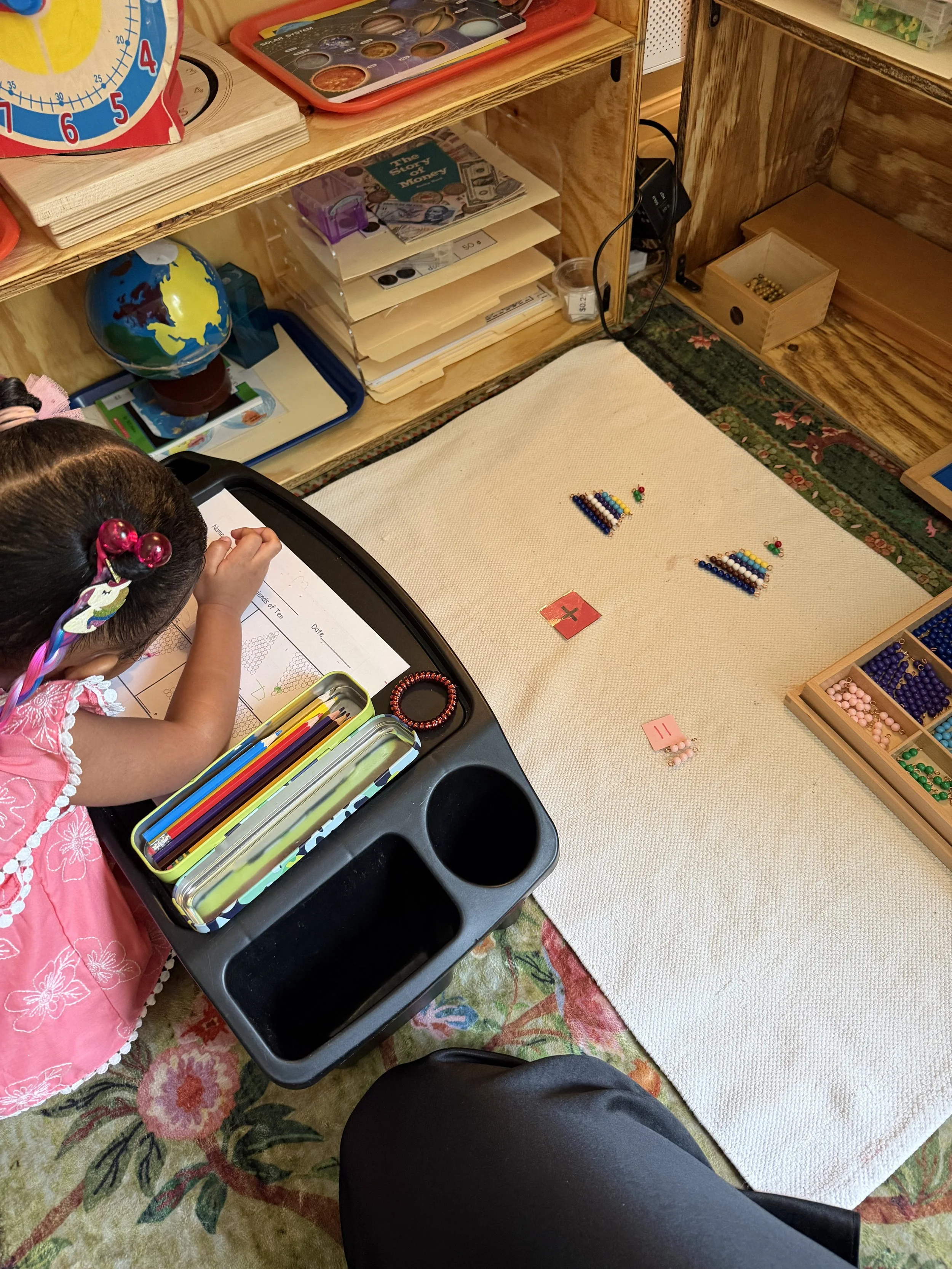
"The 'absorbent mind' welcomes everything, puts its hope in everything, accepts poverty equally with wealth, adopts any religion and the prejudices and habits of its countrymen, incarnating all in itself. This is the child!"
— Maria Montessori, The Absorbent Mind